
Landing on the Edge: Tristan da Cunha and the South Atlantic Islands
From Hans Verdaat, Expedition Leader, Oceanwide Expeditions
Out here in the South Atlantic, plans are always provisional. The charts are precise, the briefings thorough, but the ocean still has the final say.
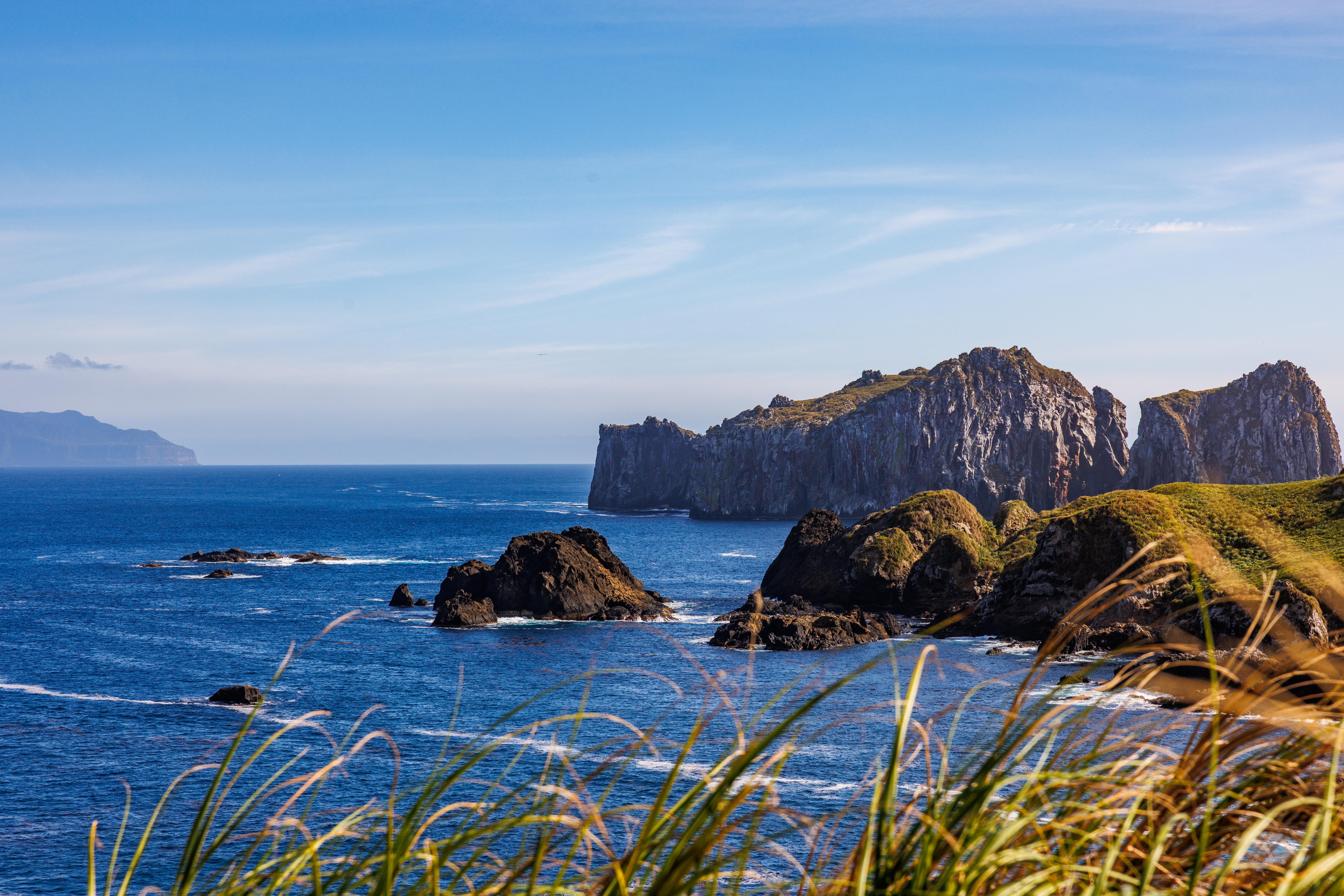
We spent a rewarding half day ashore on Nightingale Island, one of those rare places where time feels suspended between swell sets and seabird calls. Conditions were kind, the landing straightforward, and guests were able to explore one of the most remote corners of the planet at a relaxed pace.
Inaccessible Island, however, lived up to its name.
Swell built through the morning, and what began as a cautious operation quickly became a test of timing and judgement. Some guests made it ashore, others did not. The landing was ultimately curtailed for safety reasons, a reminder that here, nothing is guaranteed.
“Inaccessible Island, as the name suggests, is incredibly difficult to land on,” said expedition leader Hans Verdaat. “I’ve been here four times before without success. Even this time, while not everyone could land, the experience around the island was exceptional.”
And that was the trade-off. While the landing window narrowed, the Zodiac cruises delivered something arguably more compelling: close passes beneath sheer cliffs, seabird colonies in full motion, and a sense of scale that only reveals itself from the water.
At Gough Island, landings are prohibited for biosecurity reasons, but the cruising more than compensates. This is one of the world’s most important seabird breeding sites, protected from invasive species and largely untouched. The density of birdlife alone is reason enough to be here.
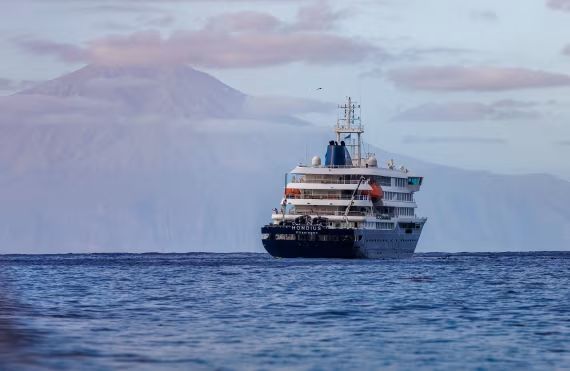
The broader context adds weight to the experience. Tristan da Cunha, the only permanently inhabited island in the group, lies far beyond conventional reach. With no airport and just over 200 residents, it remains one of the most isolated communities on Earth. Access is by sea only, and ships like ours are part of that lifeline, transporting goods and, occasionally, people.
For guests on the Atlantic Odyssey, this is the essence of expedition travel. It’s not about ticking off landings. It’s about adapting to conditions, understanding the environment, and recognising that sometimes the best moments happen when plans change.
The itinerary continues north from here, but it’s these difficult, remote, and rarely visited islands that tend to stay with you.
* Main image by Jake Rosmarin

No comments:
Post a Comment